Skip to content
All Collections
Collection

History

History is not merely a record of the past — it is the essential context for understanding the present. The historians in this collection — Thucydides, Herodotus, Gibbon, and others — wrote with a depth of insight that remains unmatched. These are not textbooks; they are masterworks of narrative and analysis that reveal the permanent patterns of human civilization: power, decline, ambition, and resilience. Each of these books has survived not because it was assigned in school, but because each generation of readers chose to keep it alive.

Cover of On War
Carl von Clausewitz·1832

On War

The most rigorous philosophical analysis of war ever written, arguing that war is a continuation of politics by other means and that strategy must always account for friction, fog, and the irrational will of the enemy.

Cover of Works and Days
Hesiod·700 BC

Works and Days

A poetic agricultural manual interwoven with moral advice and the myth of Pandora.

Cover of A Study of History
Arnold J. Toynbee·1934

A Study of History

A massive comparative study of the genesis, growth, and decay of 26 major world civilizations.

Cover of Muqaddimah
Ibn Khaldun·1377

Muqaddimah

A monumental 14th-century Islamic history outlining a sweeping cyclical theory of empires, exploring the rise and fall of civilizations through the lens of social cohesion ('Asabiyyah').

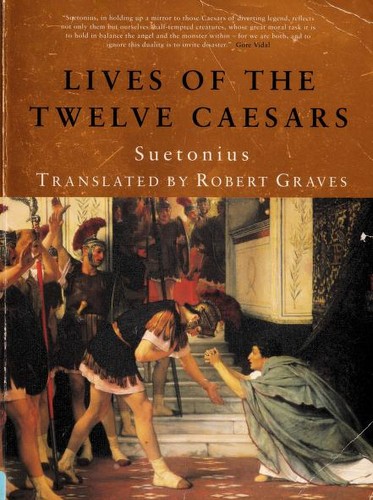
Cover of The Twelve Caesars
Suetonius·121

The Twelve Caesars

The gossipy, dramatic biographies of Julius Caesar and the first eleven emperors of the Roman Empire.

Cover of Anabasis
Xenophon·370 BC

Anabasis

The incredible true survival story of a Greek mercenary army trapped deep in the Persian Empire.

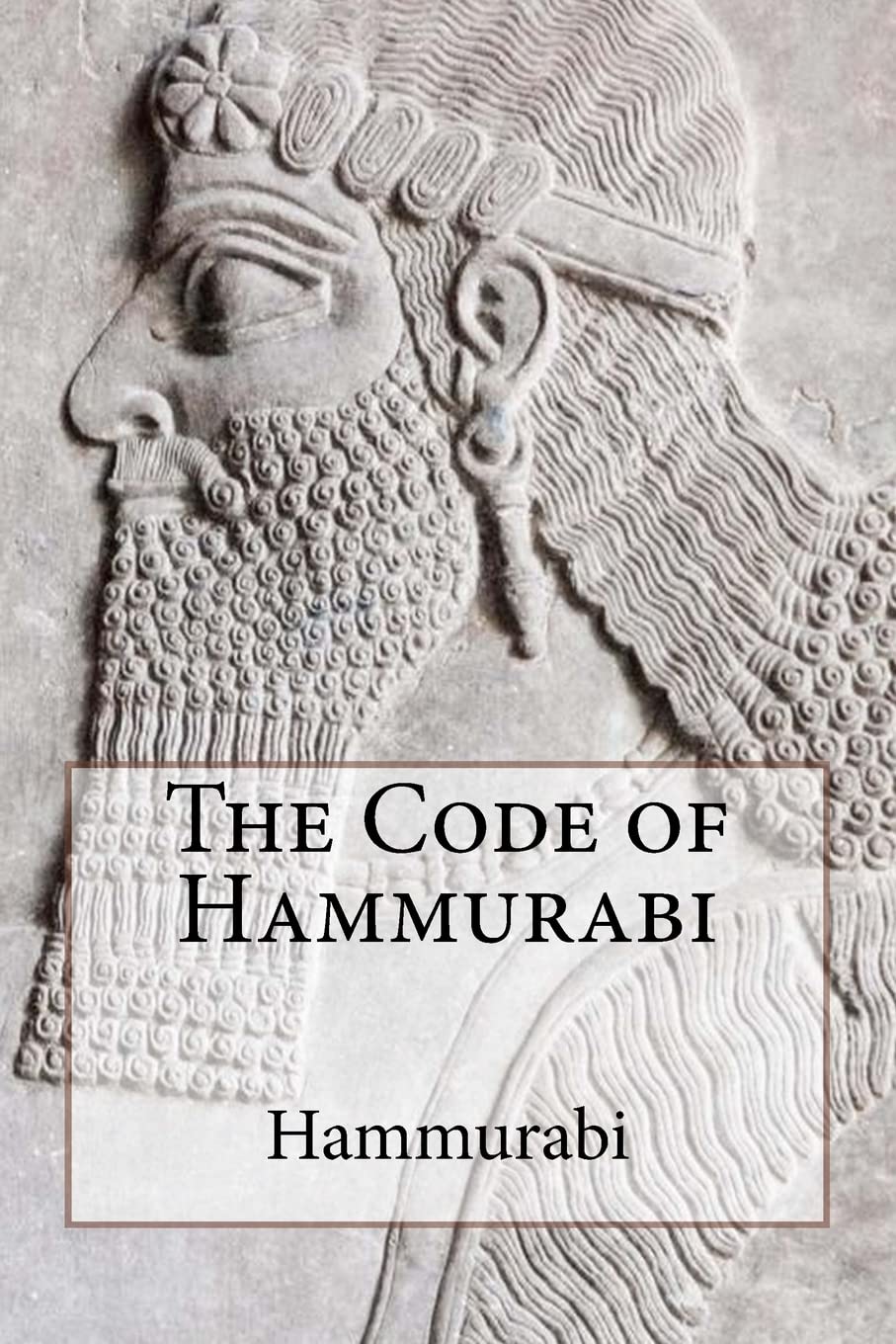
Cover of The Code of Hammurabi
Hammurabi of Babylon·1754 BC

The Code of Hammurabi

The most complete surviving legal code of the ancient world, inscribed on a black stone stele by the Babylonian king Hammurabi around 1754 BC. Its 282 laws govern commerce, labor, property, family, and criminal justice — including the earliest known articulation of proportional punishment. It represents the first attempt to systematize law into a coherent, publicly visible code.

Cover of The Story of Civilisation
Will Durant and Ariel Durant·1935

The Story of Civilisation

Eleven volumes covering the whole sweep of human civilisation from ancient India and China to Napoleon. The most ambitious work of narrative history in the English language.

Cover of The Annals
Tacitus·117

The Annals

Tacitus's history of the Roman Empire from Augustus to Nero. Celebrated for its psychological depth and moral seriousness.

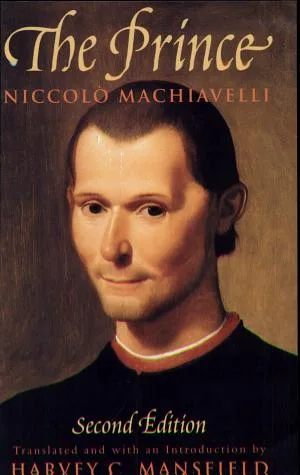
Cover of The Prince
Niccolò Machiavelli·1532

The Prince

A political treatise on how a ruler should acquire and maintain political power. The foundational text of modern political science.

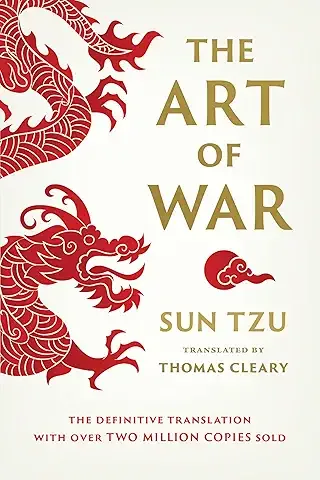
Cover of The Art of War
Sun Tzu·500 BC

The Art of War

The ancient Chinese military treatise on strategy, tactics, and leadership. The most influential work on strategy in the Asian military tradition.

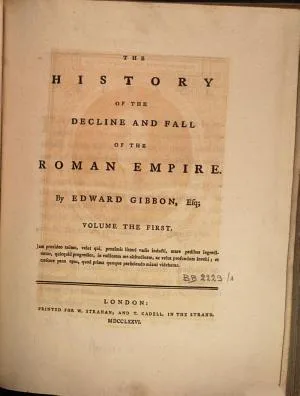
Cover of The Decline and Fall of the Roman Empire
Edward Gibbon·1776

The Decline and Fall of the Roman Empire

The greatest work of historical narrative in the English language. Covers Rome's history from the 2nd century AD through the fall of Constantinople in 1453.

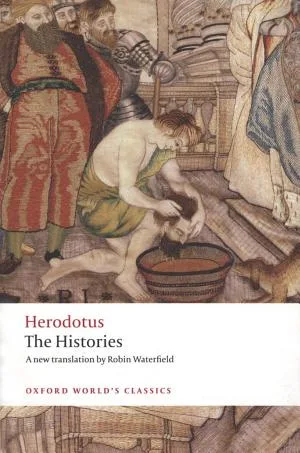
Cover of The Histories
Herodotus·440 BC

The Histories

The earliest surviving work of historical non-fiction, covering the Persian Wars. Herodotus called the "Father of History."

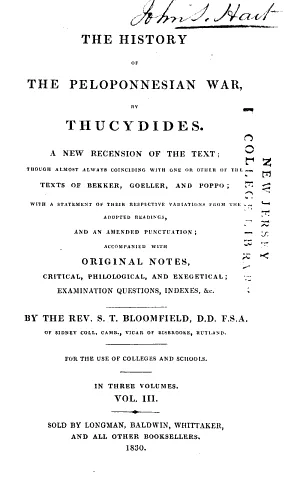
Cover of The History of the Peloponnesian War
Thucydides·431 BC

The History of the Peloponnesian War

The definitive account of the war between Athens and Sparta. The founding text of Western historiography and political realism.

Frequently Asked

Which history book should I read first?

Thucydides's History of the Peloponnesian War is widely considered the founding text of historical inquiry. It addresses war, democracy, and human nature with a clarity that is still startling 2,400 years later.

What makes a history book Lindy?

A Lindy history book is one that readers have kept returning to across centuries — not because it was mandated, but because it continues to illuminate the present. The best test: would this book be valuable to a reader in 2124? If yes, it's Lindy.