Skip to content
All Collections
Collection4 books

Theology

Theology is the discipline that asks the largest questions: the nature of existence, the meaning of suffering, the structure of moral reality. Whether one reads these texts as scripture or as philosophy, works like Augustine's Confessions, Aquinas's Summa Theologica, and the Bhagavad Gita have shaped civilizations for millennia. The texts in this collection are not relics of a pre-scientific age — they are the intellectual bedrock on which entire systems of ethics, law, and meaning were built.
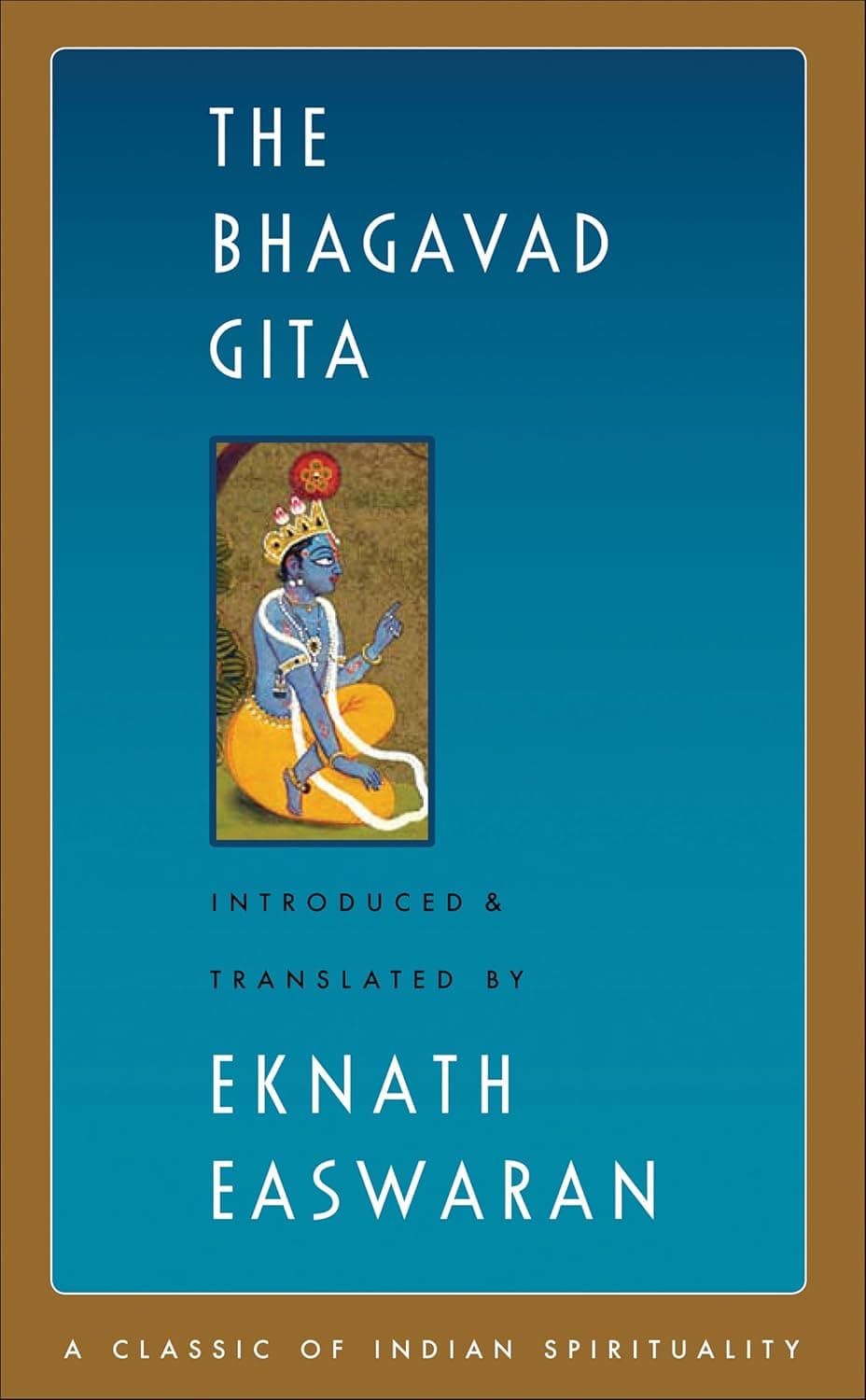
The Bhagavad Gita by Vyasa — book cover
Vyasa·400 BC

The Bhagavad Gita

Set on the battlefield of Kurukshetra, the Bhagavad Gita is a dialogue between the warrior Arjuna and his charioteer Krishna — who is revealed to be an avatar of Vishnu. As Arjuna hesitates before battle, Krishna teaches him the nature of duty, action without attachment, devotion, and the eternal self. In 700 verses, it addresses the fundamental questions of human existence.

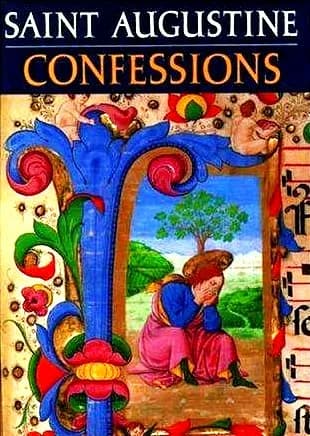
Confessions by Saint Augustine — book cover

Confessions

Written as a prayer addressed directly to God, the Confessions traces Augustine's journey from intellectual pride and sensual pleasure to Christian faith. The first great autobiography in Western literature, it probes memory, time, and sin with an honesty that still startles readers sixteen centuries later.

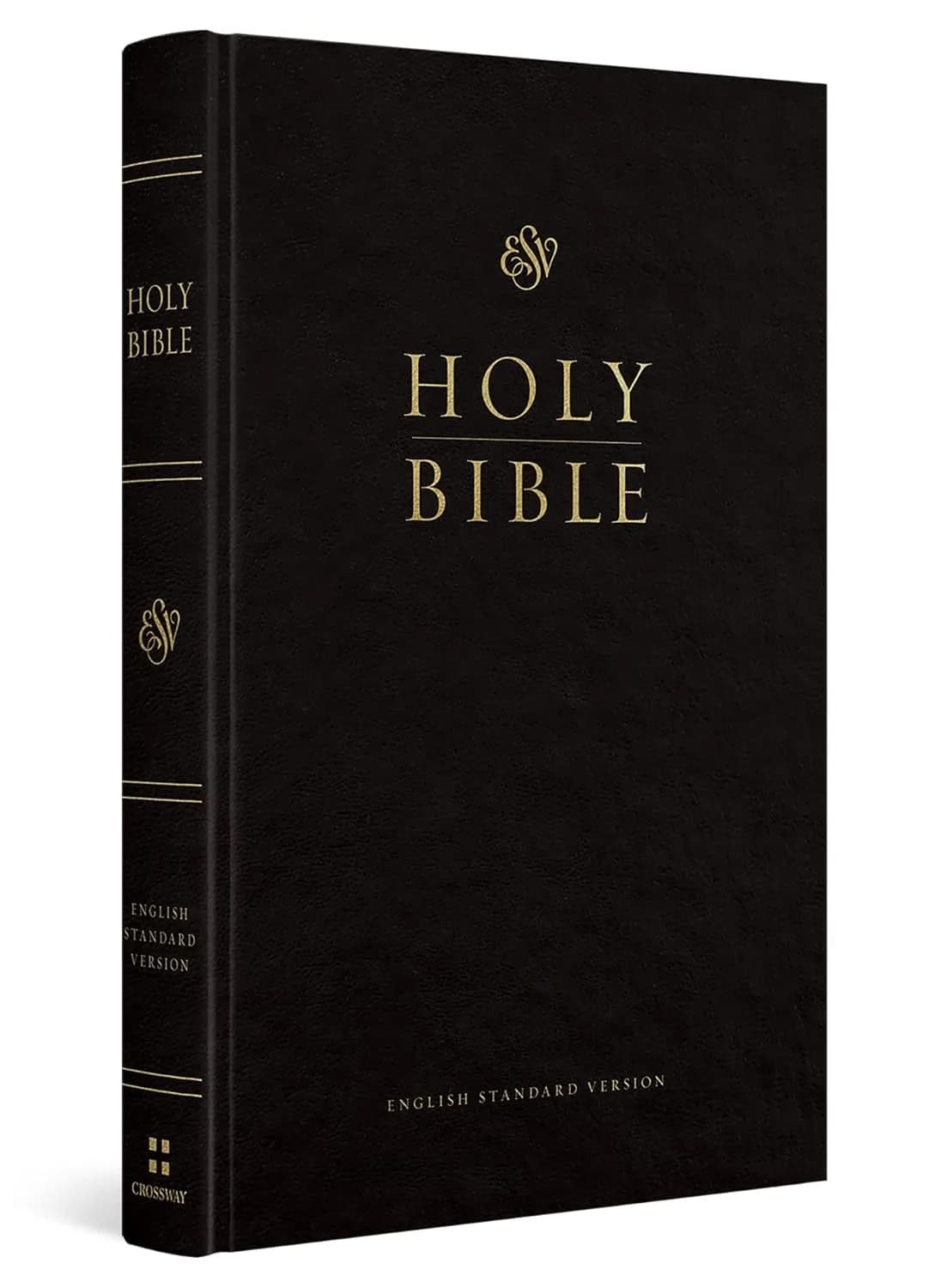
The Bible by Various Authors — book cover

The Bible

The foundational sacred text of Christianity and the most widely distributed book in human history. A collection of texts spanning centuries — poetry, history, prophecy, and wisdom — that has shaped Western civilisation more profoundly than any other work.

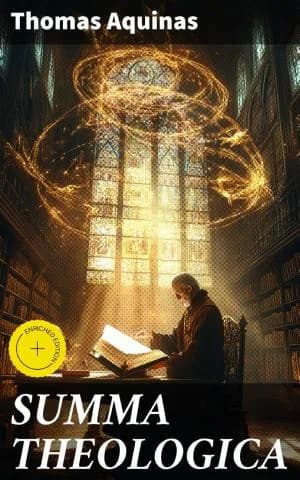
Summa Theologica by Thomas Aquinas — book cover

Summa Theologica

The encyclopedic synthesis of Aristotelian philosophy and Christian theology. The greatest and most systematic work of medieval philosophy.

Know a theology classic that belongs here?

Suggest a book

Frequently Asked

Where should I start with theology?

Augustine's Confessions is an ideal starting point — it reads like a memoir, is deeply personal, and addresses universal questions of desire, meaning, and transformation. From there, Thomas Aquinas or the Bhagavad Gita offer more systematic perspectives.

Do I need to be religious to read theology?

Not at all. Theological texts are philosophical inquiries into the deepest questions of human existence. Readers of all backgrounds have found profound value in engaging with these works as literature and philosophy.

Other Collections